If you are serious about getting on the road and earning faster, learning how to choose CDL school can save you time, money, and a lot of frustration. Not all programs are built the same. Some get you trained, tested, and job-ready efficiently. Others leave you waiting on equipment, struggling to schedule road time, or paying for extras you thought were included.
That matters because most students are not shopping for a school as a hobby. They want a clear path to a Class A or Class B license, a realistic tuition plan, and training that leads to a job. If that sounds like you, the best school is not the one with the flashiest ad. It is the one that removes barriers and helps you finish.
How to choose CDL school based on real results
Start with the basics – what license do you need, and what kind of driving job do you want after training? A student planning to drive tractor-trailers usually needs Class A training. Someone aiming for buses, dump trucks, or straight trucks may need Class B. If you already hold a CDL and need a refresher, exam prep, or manual transmission practice to remove a restriction, your best option may be a shorter skills-focused course instead of a full program.
This is where many people waste money. They enroll before matching the course to the goal. A good school should make that decision easier, not more confusing. If the staff cannot clearly explain which program fits your situation, keep looking.
The next factor is training quality. Ask how much hands-on time you actually get behind the wheel. Classroom time matters, especially for permit preparation and safety rules, but trucking is a hands-on trade. You need practice with backing, turning, shifting if you are training on manual, inspections, coupling, and real vehicle control. Watching someone else drive is not the same as driving.
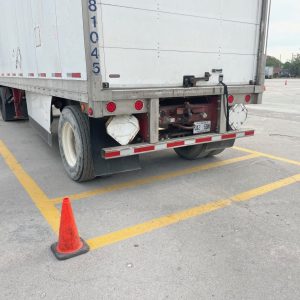
A strong program should also have enough trucks and enough training space to keep students moving. If a school has limited equipment or cramped practice areas, students may spend too much time waiting for turns. That can slow down training and make it harder to build confidence. Practical space matters more than many first-time students realize.
Look closely at testing, scheduling, and total cost
One of the biggest differences between schools is what happens at the end of training. Do you have to leave campus and fight for a road test appointment somewhere else, or can you test where you trained? Schools that offer on-site third-party state-authorized testing can reduce delays and make the process simpler. For working adults, that convenience is not small. It can mean getting licensed and job-ready sooner.
Scheduling matters just as much. Some students can train full time and finish quickly. Others need flexibility because they are working, raising kids, or managing both. Ask how often classes start, how training hours are scheduled, and whether delays are common. A low sticker price is not much of a bargain if your graduation keeps getting pushed back.
When comparing tuition, look at the total number, not just the advertisement. Ask what is included. Does the price cover permit prep, range training, road training, and testing? Are there added fees for retesting, equipment use, or certain endorsements? Transparency matters. The right school should be clear about what you are paying for.
Affordable does not have to mean low quality. In fact, for many students, the smartest choice is a school that keeps costs low while still delivering real driving time, usable equipment, and a direct path to testing. If funding options, financing, or workforce assistance are available, ask early. That can make the difference between waiting six more months and starting now.
What to ask when you compare CDL schools
If you want to know how to choose CDL school without getting overwhelmed, ask direct questions and listen for direct answers. How long is the program? How much time is spent driving? How many students share a truck? Is testing available on site? Are instructors experienced and able to teach beginners? Can the school help Spanish-speaking students understand the process clearly?
Those questions cut through the sales talk. A serious training provider should be able to answer them without dancing around the details.
Pay attention to how the school treats you before you enroll. If communication is slow, confusing, or rushed now, it usually will not get better after payment. You want a school that respects your time and understands that this is a career move, not casual interest.
For many students in Central Florida, accessibility is a deciding factor. Bilingual support can be a major advantage, especially for students who understand the material better in Spanish or want help navigating paperwork and testing requirements with confidence. That support does not replace standards – it helps more students meet them.
Good instructors teach for the road, not just the test
Passing the exam matters, but it is not the only goal. You are training to handle real equipment in real conditions. That means your instructors should be teaching habits that hold up after licensing – safe backing, pre-trip discipline, mirror use, space management, and calm decision-making under pressure.
Some schools focus heavily on getting students through the minimum. That can work if you are already experienced, but it is a weak foundation for a first-time driver. Better instruction prepares you to pass the state exam and step into entry-level work with confidence.
Equipment and yard space are not small details
Students often ask about tuition first, but equipment access should be near the top of the list. If trucks are out of service often or there are too few vehicles for the class size, your progress can slow down fast. The same goes for training space. A larger practice area gives students room to repeat maneuvers, correct mistakes, and improve without feeling rushed.
That kind of environment is especially important for backing skills, which take repetition. A school with multiple trucks and dedicated training space gives students more chances to actually practice instead of waiting around.
Red flags to watch for before you enroll
A few warning signs are easy to miss when you are eager to start. Be careful with schools that are vague about pricing, vague about training hours, or vague about testing. If everything sounds good until you ask for specifics, that is a problem.
Another red flag is pressure without clarity. A school can encourage you to enroll quickly, but it should still explain the program, costs, schedule, and licensing path clearly. Fast entry is good. Confusion is not.
Also be cautious if the program feels too heavily classroom-based for a driving trade. You need enough hands-on training to build real skill. The right balance depends on the course, but no student should finish feeling unprepared around the truck.
Reviews and word of mouth can help, but look for patterns instead of one-off complaints. If multiple people mention poor scheduling, limited truck access, or unclear fees, take that seriously. On the other hand, repeated comments about practical instruction, straightforward pricing, and efficient testing usually point in the right direction.
The best school is the one that gets you moving
There is no single perfect answer to how to choose CDL school because students have different needs. One person needs the fastest possible path into a Class A job. Another needs affordable tuition and payment options. Another already has a CDL but needs refresher training or restriction removal. The right fit depends on your timeline, budget, language needs, and career goal.
What should not change is the standard. Choose a school that is clear about cost, serious about hands-on training, and built to help you finish the process from permit prep to road test with fewer delays. If a school can train you well, test you efficiently, and keep the process practical, it is doing its job.
In the Orlando area, East USA Trucking School stands out for exactly those reasons – affordable pricing, on-site third-party testing, multiple trucks, and a large hands-on training space that supports real skill development. For students who want a direct path into the industry, that kind of setup matters.
A CDL can change your income, your schedule, and your options. Choose a school that treats that opportunity with the urgency it deserves.