A CDL can change what you earn, where you work, and how quickly you can move into a skilled trade. But before paying tuition or taking time away from work, most people ask the same question: is truck driving school worth it? For many Central Florida adults, the answer is yes – if the school gives you real driving practice, clear costs, and a direct path to testing.
Truck driving school is not a shortcut to easy money. It is focused job training for a career that carries real responsibility. You need to learn federal safety rules, vehicle inspections, backing maneuvers, road skills, and the habits employers expect from new drivers. The value comes from gaining those skills efficiently and leaving ready to earn your CDL.
Is Truck Driving School Worth It for Your Goals?
A truck driving school is worth the investment when you need a Class A or Class B CDL, do not already have the required driving skills, and want a structured route into transportation work. It can also make sense for current CDL holders who need refresher training, help passing an exam, or removal of an automatic transmission restriction.
The question is less about whether training costs money and more about what it helps you avoid. Trying to learn on your own can mean limited access to a commercial vehicle, no experienced instructor in the passenger seat, uncertainty about test requirements, and repeated testing delays. Those problems can cost more time and money than quality training.
A practical school should teach the parts of commercial driving that are hard to learn from a manual or video: controlling a large vehicle, using mirrors correctly, setting up a backing maneuver, performing a complete pre-trip inspection, shifting when training on a manual truck, and staying calm during a road test. These are hands-on skills. They improve through repetition.
For someone changing careers, the return can be especially strong. CDL training is generally much shorter than a degree program, and the transportation industry offers multiple directions after licensing. You may pursue local delivery, regional routes, over-the-road work, construction support, equipment hauling, bus driving, or other commercial driving roles depending on your license class, endorsements, and employer requirements.
What You Are Actually Paying For
Low tuition matters, but price alone does not tell you whether a program is a good value. Ask what is included from your first permit-prep lesson through the final skills and road test. A low advertised price can lose its advantage if students later face separate charges for truck use, test scheduling, retests, or additional practice time.
A worthwhile program provides instruction that matches the CDL process. That starts with preparation for the knowledge exam and commercial learner’s permit. From there, students need behind-the-wheel training, pre-trip inspection practice, basic control instruction, backing practice, and road driving. The final goal is not simply sitting in a truck. It is becoming capable of passing the required test safely and consistently.
Testing access is another major part of the value. When training and state-authorized third-party testing are available in the same location, students deal with fewer scheduling problems and less travel between facilities. Familiarity with the training environment can also reduce pressure on test day, although every student still has to demonstrate the required skills independently.
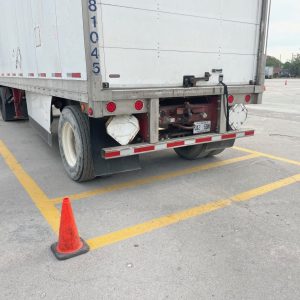
At East USA Trucking School, students can train and test in one practical environment, with more than four acres of training space and multiple trucks available for instruction. That setup matters because students need time practicing turns, backing, inspections, and vehicle control – not waiting for limited equipment.
The Cost of Waiting Can Be Real
Many adults postpone CDL training because they are waiting for the perfect time. They may be working hourly jobs, supporting family, or worried about tuition. Those are valid concerns. Still, waiting has a cost when it keeps you in work with limited advancement, unpredictable hours, or low earning potential.
Training can be a practical move when you have a plan for the weeks ahead. Before enrolling, look at your current work schedule, household budget, transportation, and childcare needs. Find out whether the school offers financing or whether you may qualify for government-funded training options. Funding access does not remove the need to make a smart decision, but it can make workforce training more reachable.
The best time to start is not necessarily when life becomes completely quiet. For most working adults, that day never arrives. The better approach is to choose a program with a realistic schedule, know the full cost before you begin, and commit to attending consistently. CDL skills build on one another. Missing practice can slow your progress.
When Truck Driving School May Not Be the Right Move
Truck driving school is not automatically the right choice for everyone. If you do not meet medical certification requirements, have a driving record issue that may affect hiring, or dislike the idea of operating large vehicles under pressure, address those concerns first. A school can teach skills, but it cannot decide whether the day-to-day work fits your lifestyle.
You should also be honest about the type of driving job you want. Some new drivers expect to choose only high-paying local routes immediately after licensing. Entry-level opportunities vary by employer, experience, driving record, endorsements, and market demand. Some positions involve early mornings, physical unloading, long shifts, time away from home, or strict delivery schedules.
That does not mean the career is a bad investment. It means you should enter with clear expectations. A CDL is a credential that creates options, not a guarantee that every driving job will fit your preferred schedule on day one.
How to Choose a School That Delivers Value
The right school should make the process clear before you enroll. Ask direct questions and expect direct answers. How much behind-the-wheel time is included? Will you train on the type of transmission you want to drive? Is testing available on site? What happens if you need extra practice or a retest? Are instructors available in Spanish if that would help you learn confidently?
Look closely at the practice environment. A commercial driver needs room to learn backing maneuvers and vehicle positioning without being rushed. Training on a real range, with access to multiple trucks, is different from spending most of the program in a classroom or watching someone else drive.
Instructor communication also matters. New students need corrections that are clear and specific: where to place the truck, when to stop, what to check in the mirrors, and why a maneuver went wrong. Good instruction is not about yelling or making students feel behind. It is about building repeatable habits before test day.
For Spanish-speaking students, bilingual instruction can remove a major barrier. Commercial driving terms, inspection sequences, and testing instructions must be understood precisely. Learning in the language you are most comfortable using can help you focus on the driving task instead of translating every step in your head.
Getting a Better Return From Your Training
Your return begins before the first day of class. Study for the permit seriously, arrive prepared, and treat every range session like practice for the real test. Ask questions as soon as something does not make sense. A small mistake in a backing setup is easier to fix during training than under test-day pressure.
Once you earn your CDL, keep building. Consider endorsements that match the type of work you want, maintain a clean driving record, and take safety seriously from your first job forward. If you have an automatic-only restriction but want access to more equipment and job opportunities, manual transmission training and restriction removal may be worth considering.
The strongest value does not come from the card in your wallet alone. It comes from the confidence to inspect the truck correctly, control it safely, communicate professionally, and keep improving after you are hired.
If trucking fits your work goals, a practical school can turn a long-delayed career move into a clear next step. Choose training that is affordable, hands-on, and built around getting you prepared for the CDL test and the road ahead.