Getting a CDL should move you toward work, not send you across town trying to coordinate a training yard, a truck, and a separate testing appointment. Same location CDL training testing gives Central Florida students one practical place to prepare, practice, and complete the final steps toward a commercial license.
For a first-time applicant, that convenience can make a real difference. You learn on the equipment and training area where you will build your skills, then return to a familiar setting for your test. For working adults, career changers, and drivers who need to upgrade their credentials, fewer locations can mean fewer scheduling problems and less time away from family or work.
Why Same Location CDL Training Testing Makes Sense
A CDL skills test is not only about knowing the rules. You need to perform under pressure. That includes vehicle inspection, basic control skills, and road driving. When training and testing happen at separate locations, students often have to adjust to an unfamiliar truck, lot layout, testing process, or travel schedule right before a high-stakes appointment.
Training and testing at one location reduces that friction. You can spend your practice time learning the space, working with instructors who understand your progress, and becoming comfortable with commercial equipment. Familiarity does not replace preparation, but it helps you focus on the task instead of wasting energy on avoidable surprises.
At East USA Trucking School, students can train and test in a practical environment designed for commercial driver skill development. With more than four acres of training space and multiple trucks available for instruction, students have room to work on the maneuvers that matter before test day.
That setup is especially valuable for people entering trucking for the first time. A commercial truck handles differently than a personal vehicle. Backing, turning, stopping, shifting, mirror use, and space management all require repetition. The right training environment gives you the chance to make corrections early and build habits that carry into the test and onto the job.
What You Can Practice Before Your CDL Test
A quality Class A CDL program should prepare you for more than passing a written exam. The permit is an important step, but the skills test is where you show that you can inspect, control, and operate a commercial vehicle safely.
Your training may include pre-trip inspection preparation, where you learn how to identify and explain key vehicle components. This portion requires attention to detail. Missing steps or rushing through your explanation can cost points, so practice should focus on both knowledge and a clear routine.
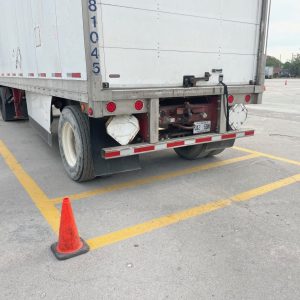
You will also work on basic vehicle control. Depending on the skills required for your test, that can include straight-line backing, offset backing, alley docking, or other maneuvers. These skills are not learned by watching someone else do them once. They improve through repeated practice, instructor feedback, and learning how to use your mirrors correctly.
Road training brings those skills together. You need to demonstrate safe turns, lane control, speed management, railroad crossing procedures, traffic awareness, signaling, and proper stopping. The goal is not to drive perfectly. The goal is to drive safely, consistently, and with good judgment.
Students should expect the process to take effort. Some people learn backing quickly but need more work on pre-trip inspection. Others are comfortable on the road but need extra time to develop control in tight spaces. Good training meets you where you are and gives you focused practice instead of treating every student exactly the same.
One Place Does Not Mean One-Size-Fits-All Training
Convenience matters, but the right CDL program should still fit your specific goal. A new driver pursuing a Class A license needs a different level of preparation than an experienced driver returning to the industry after time away.
For first-time applicants, entry-level Class A CDL training can provide the structured path from permit preparation through behind-the-wheel instruction and testing. Students who already hold a CDL may need refresher training, skills practice, exam preparation, or help removing a restriction.
Restriction removal is a common example. A driver with an automatic-only restriction may want to qualify to operate manual transmission equipment. That requires training on the correct equipment and a skills test that demonstrates manual transmission ability. It is a focused goal, but it still deserves professional practice. Trying to learn shifting under test pressure is a costly way to find out you need more seat time.
Class B applicants also need training that matches the type of commercial vehicle they plan to operate. The best route depends on the jobs you want, the equipment employers use, and whether you need flexibility to drive tractor-trailers in the future.
Before enrolling, be direct about your goal. Are you starting from zero? Do you already have a permit? Are you returning to driving after a long break? Do you need a manual restriction removed? A school should help you choose the training path that makes sense for your situation, not push you into unnecessary hours or leave you underprepared.
The Value of On-Site Third-Party Testing
On-site third-party, state-authorized testing can help make the licensing process more straightforward. Instead of finishing training and then searching for a separate testing location, students can schedule their skills test through the same training provider when they are ready and eligible.
This does not mean the test is easier. CDL standards still apply, and every applicant must earn the result through safe performance. What changes is the logistics. You have a clearer path from training to testing, access to equipment you have practiced with when available, and a team that understands the process from the permit stage forward.
Availability, required documents, state rules, and individual readiness still matter. Students should confirm their testing requirements, bring the proper identification and medical certification when required, and make sure their commercial learner’s permit is valid. If you have a question about endorsements, restrictions, or eligibility, ask before your test date rather than waiting until the last minute.
Affordable Training Should Still Be Hands-On
Low-cost CDL training matters because most students are making a career investment. You may be leaving a job, balancing bills, or trying to get qualified for a better opportunity as quickly as possible. But low cost should not mean low practice time or vague answers about what is included.
Look for clear information about the program, equipment access, behind-the-wheel training, testing options, and any additional fees. Ask what happens if you need more practice before testing. Ask whether financing or government funding may be available. The right answer depends on your eligibility and the program you choose, but knowing your options early helps you plan.
For many Central Florida students, language access also matters. Bilingual Spanish-speaking instructors can make training more understandable and less stressful for students who prefer support in Spanish. Commercial driving requires precise communication and safety knowledge, so being able to ask questions clearly is a real advantage during training.
How to Get Ready Before Your First Day
You do not need trucking experience to begin, but showing up prepared can help you use your training time well. Start by reviewing the Florida commercial driver licensing requirements and working toward your commercial learner’s permit. Bring questions about your schedule, driving history, license class, and career goals.
Come ready to practice consistently. CDL training is hands-on. The students who improve fastest are usually the ones who listen to feedback, repeat the difficult maneuvers, and avoid treating corrections as setbacks. A missed cone, a rough shift, or an incomplete pre-trip answer is not the end of the process. It is information about what to practice next.
If you are working while training, choose a schedule you can realistically keep. Fast workforce entry is a strong goal, but rushing through critical skills can create delays later. A focused plan with dependable attendance usually gets better results than trying to compress everything into a few scattered days.
Train With the Test in Mind, Then Drive Beyond It
The CDL test is a gate to opportunity, not the finish line. Employers need drivers who can inspect equipment, control a vehicle, protect the public, and make sound decisions on the road. Training in the same place where you test can reduce unnecessary stress and give you a more direct route to your license.
Choose a program that gives you practical equipment time, clear costs, qualified instruction, and a testing process that fits your goal. Then put in the repetitions. The confidence you build before test day can become the foundation for your first job behind the wheel.