A commercial driver’s license can turn a job search into a career plan. If you are asking how to become a truck driver, the path is clear: meet the requirements, earn your CDL permit, complete hands-on training, pass the state skills test, and choose the type of driving work that fits your life. The key is getting real practice before test day, not just memorizing answers.
For adults in Orlando and Central Florida, trucking can offer a direct route into transportation, construction, delivery, logistics, and long-haul freight. It takes commitment, but it does not require a four-year degree. What it does require is safe driving habits, preparation, and training that puts you behind the wheel.
Start With the Basic CDL Requirements
Before enrolling in a Class A CDL program, make sure you can meet the basic requirements to apply for a commercial license in Florida. You generally need a valid Florida driver license, proof of identity and residency, and a current Department of Transportation medical examiner’s certificate. The medical exam confirms that you are physically qualified to operate a commercial vehicle.
Age matters depending on where you plan to drive. Drivers who operate only within Florida may be eligible at 18. To drive across state lines, transport hazardous materials, or pursue many larger carrier opportunities, you generally need to be 21 or older. A clean driving record can help with hiring, although a past ticket does not automatically end your opportunity. Be honest about your history when speaking with a school or employer so you understand your options early.
You also need to be prepared for employer drug and alcohol screening. This is part of commercial transportation work. A CDL creates stronger earning potential and responsibility, so carriers expect drivers to follow federal safety rules from the first day on the job.
Choose the Right CDL for the Work You Want
Not every commercial driving job requires the same license. Your goal should determine the training you choose.
A Class A CDL is the best starting point for most people who want the widest range of job options. It allows you to operate combination vehicles, such as a tractor-trailer, when the trailer meets the required weight threshold. Class A drivers may work in over-the-road freight, regional routes, local delivery, flatbed, refrigerated freight, dump trailers, and more.
A Class B CDL is commonly used for straight trucks, box trucks, buses, concrete mixers, and certain local delivery vehicles. It can be a strong choice if you want to stay closer to home, but it does not offer the same flexibility as Class A. If your goal is a tractor-trailer career, start with Class A rather than paying to upgrade later.
You may also need endorsements based on the jobs you want. Tanker, doubles and triples, passenger, school bus, and hazardous materials endorsements each have separate requirements. Do not collect endorsements just because they are available. Focus first on the work you realistically want to pursue.
Get Your Commercial Learner’s Permit
Your Commercial Learner’s Permit, or CLP, is the first licensing step. To earn it, you must pass the required written knowledge exams at the Florida licensing office. For a Class A permit, that typically includes general knowledge, air brakes, and combination vehicles.
This is where many first-time applicants lose time. The questions are not impossible, but the material is detailed. You need to understand vehicle inspections, braking systems, weight limits, safe following distance, shifting concepts, railroad crossings, and what to do during emergencies. Studying only the night before is not a smart plan.
A quality CDL exam preparation course helps you work through the material in a focused way. It also helps Spanish-speaking students who may understand the driving skills but need support navigating technical language and testing requirements. Passing the permit test gets you into the next phase, but it does not make you job-ready. The truck does that.
Complete Entry-Level Driver Training
Federal rules require first-time Class A and Class B applicants to complete Entry-Level Driver Training, often called ELDT, from an approved provider before taking the skills test. This training covers both classroom instruction and behind-the-wheel practice.
The strongest programs do not keep students in a classroom for weeks without truck time. You need to learn how a commercial vehicle feels when turning, backing, braking, shifting, and moving through traffic. You also need repetition. A driver who has backed up once may understand the idea. A driver who has practiced the maneuver correctly many times is more likely to pass and drive safely at work.
Look for training that includes access to multiple trucks and enough room to practice without unnecessary pressure. At East USA Trucking School, students train on more than four acres of practical training space, giving them room to build control before facing the road test. That type of environment matters, especially if you have never operated a tractor-trailer before.
Learn the Three Parts of the CDL Skills Test
The Florida CDL skills test is not one quick drive around the block. It has three parts: the pre-trip inspection, basic vehicle control, and the road test.
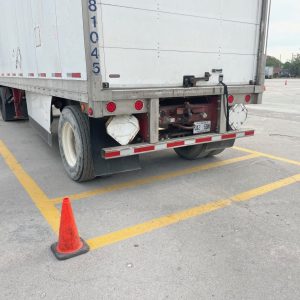
During the pre-trip inspection, you explain what you are checking and why it matters. You will inspect components such as brakes, tires, lights, coupling equipment, steering parts, and emergency equipment. This section tests whether you can identify safety problems before putting a truck on the road.
Basic vehicle control includes maneuvers such as straight-line backing, offset backing, alley docking, and parking. These skills can feel difficult at first because the trailer reacts differently from a car. Good instruction breaks each maneuver into clear reference points, steering corrections, and safe recovery methods.
The road test evaluates how you handle the vehicle in real traffic. You will be judged on turns, lane control, speed management, railroad crossings, intersections, observation, braking, and overall safety. The goal is not to drive perfectly. The goal is to show that you can make safe, controlled decisions in a commercial vehicle.
Decide Between Automatic and Manual Training
Many modern fleet trucks use automatic transmissions, and automatic-only training can be a practical way to enter the workforce faster. If you test in an automatic truck, however, your CDL will carry an automatic transmission restriction. That means you cannot legally drive a manual commercial vehicle until you remove it.
For some local and entry-level jobs, that restriction may not affect hiring. For other opportunities, especially with older equipment or specialized fleets, a manual CDL can give you more flexibility. There is a trade-off: manual training requires more practice with shifting and clutch control. If you want the broadest long-term options, ask about manual transmission training or restriction removal before scheduling your test.
Plan for Tuition Without Delaying Your Goal
CDL training is an investment, and cost should be clear before you enroll. Ask what the tuition includes: classroom preparation, permit support, truck time, practice courses, testing fees, use of the truck for the skills exam, and retest policies. A low advertised price is only useful if you understand what is and is not included.
Many students pay through personal savings, financing, or workforce and government funding programs. Funding availability depends on your situation, eligibility, and local program rules, so ask early rather than assuming you will figure it out later. If you are working while training, choose a schedule that gives you enough practice time without putting your household under unnecessary pressure.
The fastest route is not always the one with the fewest training hours. Rushing into a road test before you can back confidently can lead to retest costs and delays. Affordable training should still give you the repetitions needed to pass with confidence.
Prepare for Your First Trucking Job
Passing the CDL exam is a major milestone, but employers hire for more than a license. They look for reliability, safe habits, communication, availability, driving history, and willingness to learn. Your first job may not be your dream route, and that is normal. Many drivers start in local delivery, regional freight, yard work, or trainee positions before moving into more specialized work.
Think about the lifestyle before accepting an offer. Over-the-road jobs can provide more miles and broader experience, but they may keep you away from home for days or weeks. Local routes can offer more home time but may involve physical unloading, early starts, traffic, or lower mileage. Regional work sits in the middle for many drivers. The right choice depends on your income goals, family responsibilities, and tolerance for time on the road.
Keep learning after you are licensed. Practice defensive driving, protect your driving record, show up on time, and take inspections seriously. A CDL opens the door, but your reputation is what keeps better opportunities coming.
Your next step does not need to be complicated: choose the license that fits your goal, get trained on the equipment, and give yourself enough practice to earn the CDL the right way. The transportation industry needs prepared drivers, and the sooner you start building real skills, the sooner you can move toward a career that pays you to keep America moving.